CISPENC - Collaborative International Short Program unites expertise in Earth Sciences and Chemistry
Thematic schools dedicated to Master students: a unique multinational journey for the next generation of global scientists!
International, Partnerships, Research
This Collaborative International Short Program unites expertise in Earth Sciences and Chemistry provided a unique multicultural academic experience for Master students involved in the program. The mission of the proposed short programs: fostering a new generation of scientists capable of navigating the complexities of our physical world across all dimensions.
CISPENC (Collaborative International Short Programs in Earth Sciences, Nanosciences, and Chemistry) is a strategic research collaboration between Institute of Oceanography, Institut des Sciences de la Terre, and Faculty of Pure and Applied Science. Launched in 2025 as a laureate of the NTU-UGA-UT Trilateral Center, this project aims to foster collaboration by organizing a cycle of short programs centered on key and central contemporary topics.
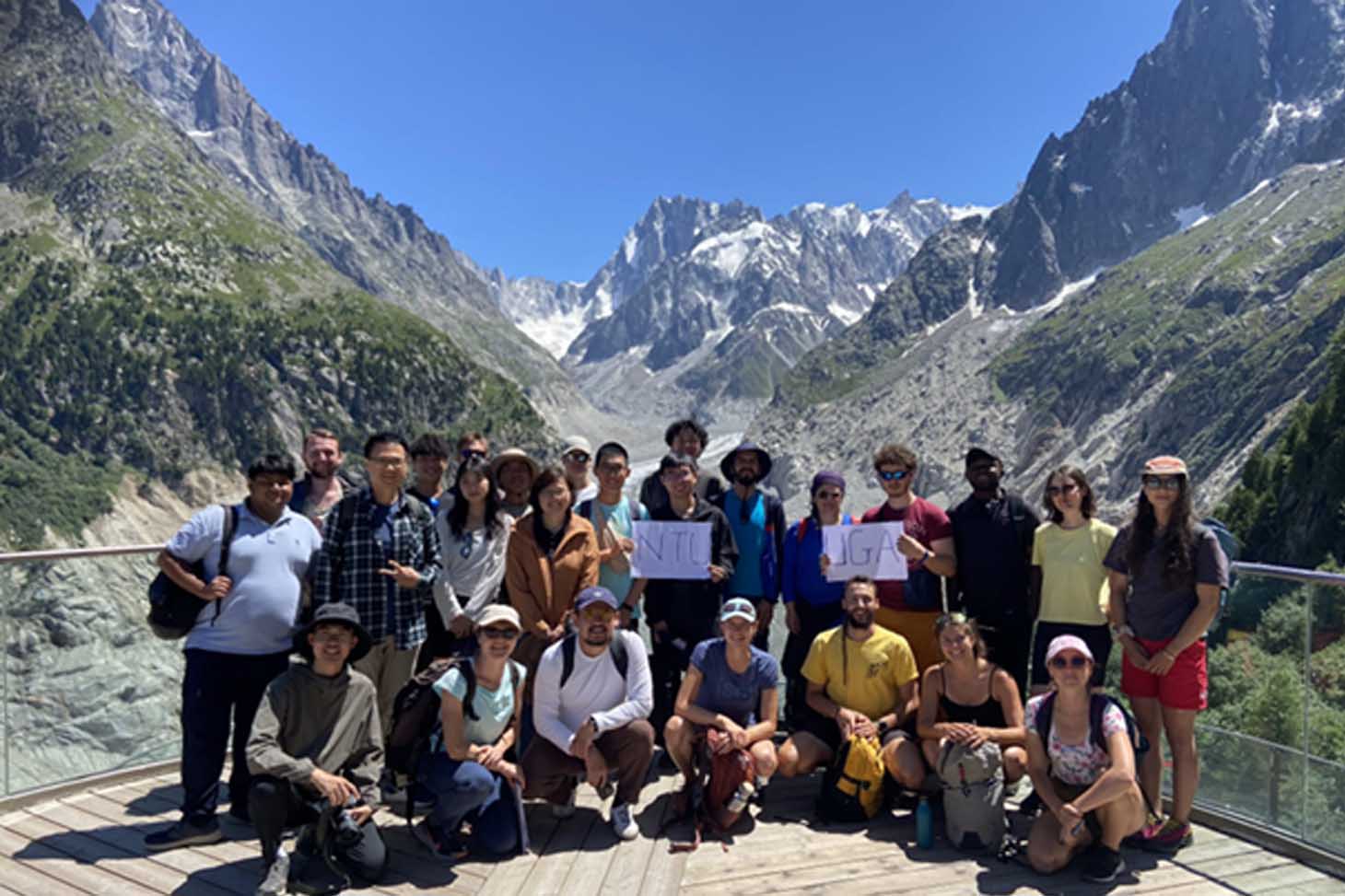
Two thematic schools took place in June-July 2025 in Grenoble, “Mountains in a Changing World” for the Geosciences school, “CO2 challenge” for the Chemistry school. Each event brought together 12 students from UGA and 7 participants from UT and NTU.
Together, they are not just conducting research; they are building the scalable frameworks needed for an instrument for internationalizing the training courses of the 3 strategic partners.
Tangible Results
This experience for both students and academics:
(1) Strengthen the capacity of academics.
(2) Foster world-class talents.
(3) Contribution to the academic community-related industries.
By addressing pressing contemporary issues — such as the CO₂ challenge in chemistry and environmental change in mountain regions — the programs contribute knowledge relevant to both academia and industry. The training of students and staff strengthens the link between research and application, encouraging innovation and cross-border cooperation in related industries.
(4) The scientific visits and meetings that took place alongside the schools have highlighted the need to go further in collaboration between our 3 universities and to organize research internships for our Master's and PhD students. This internship program will start as soon as July 2026. Students attending the summer schools will be proposed to extend their stay abroad for a research internship in our Geosciences and Chemistry Labs.
Testimonials from principal investigators
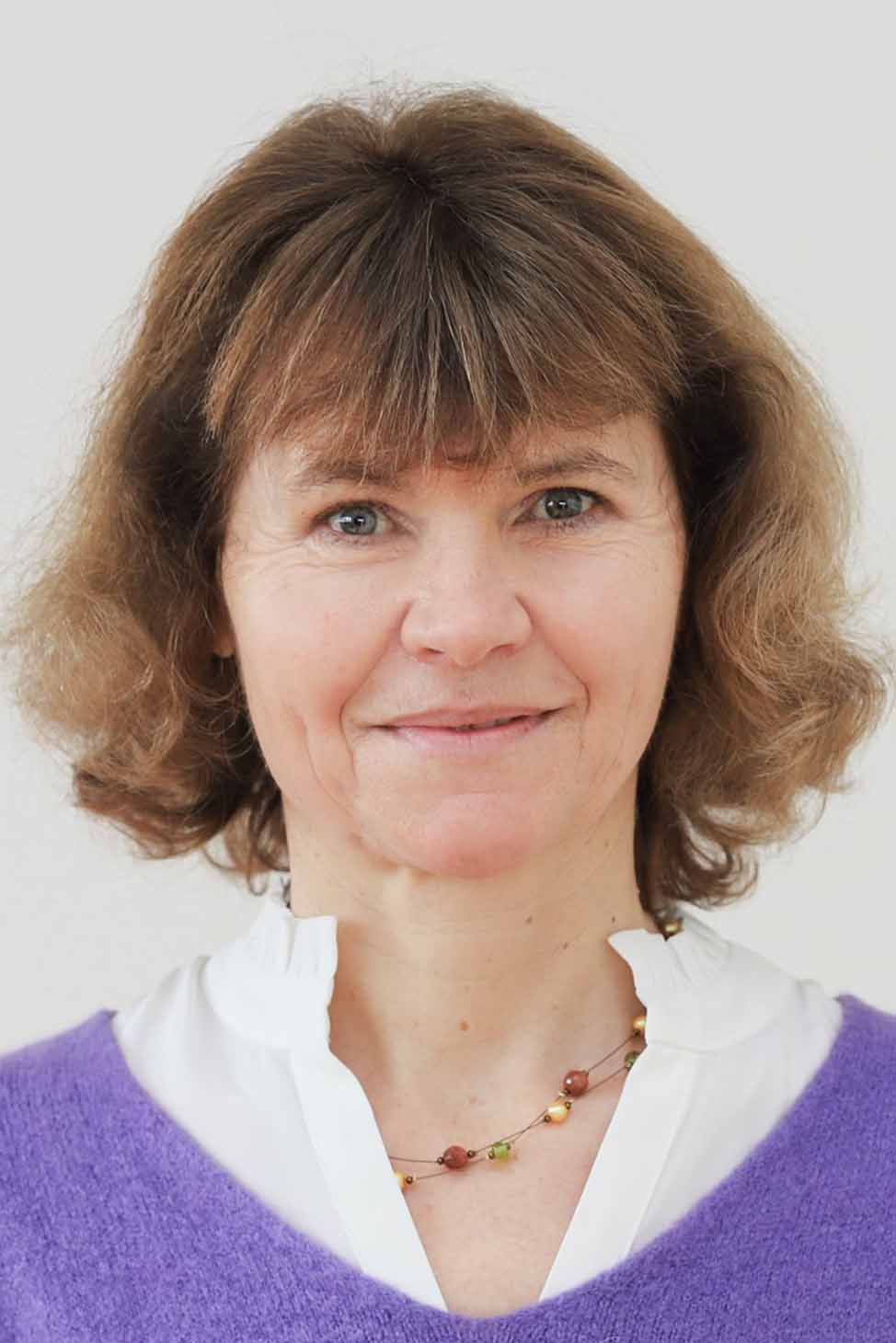
CISPENC1 provided an invaluable platform to integrate chemical perspectives with Earth sciences, effectively bridging the gap between theoretical learning and practical field application. Furthermore, hosting UGA faculty during CISPENC1 was truly impressive and revealed significant potential for future cooperation. This successful exchange has inspired us to begin developing an advanced joint student diploma link, formalizing our academic ties and creating elite international pathways for our students.
Through the Trilateral Center programs, NTU, UT and UGA academics and Master students have been exposed to international teaching methods and collaborative course design. Participation in joint short programs has broadened their expertise, expanded research networks, and enhanced their ability to integrate interdisciplinary content into local curricula. Within the chemistry programs, Hélène Jamet (UGA) and Wei-Ssu Liao (NTU) are currently preparing a manuscript entitled "Impacts of Hofmeister Series on Structured Protein: from Nanoscopic Observation to Macroscopic Behavior."
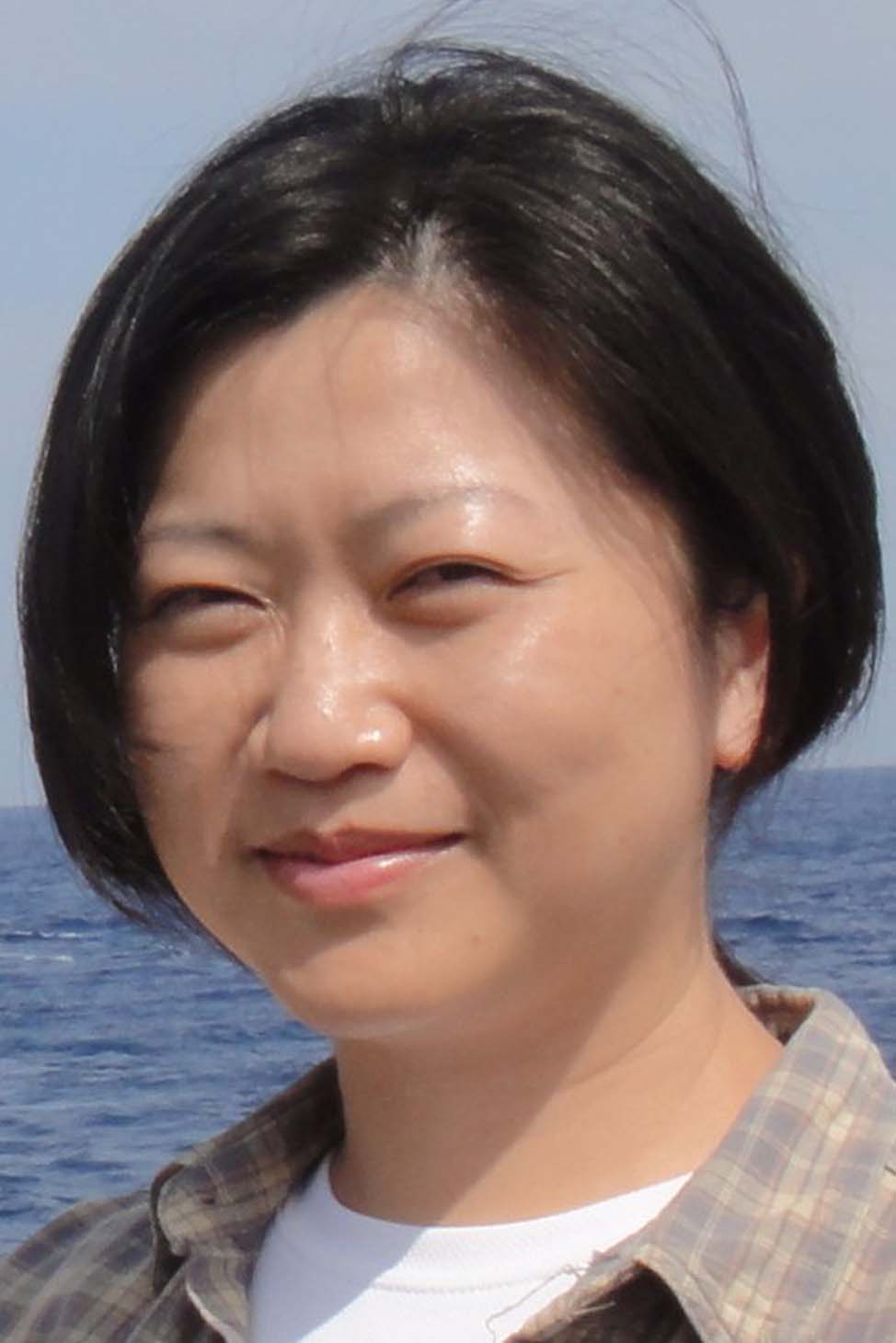
Emmy T. CHANG
Associate Professor – Institute of Oceanography (National Taiwan University, Taïwan)
Geophysical Analysis LAb
Best Teacher Award, National Taiwan University, in 2009, 2013, 2023.
Best Reviewer Award in 2025, Springer Nature Journal: Terrestrial, Atmospheric and Oceanic Sciences (TAO)
Students have been given direct access to internationally recognized research environments and hands-on learning in key areas such as chemistry, and earth sciences. These experiences cultivate global competencies, strengthen research capabilities, and prepare students to engage in world-class academic and industrial settings. Used to a very different educational system, the consistently insightful and positive questions and feedback from the Taiwanese and Japanese students greatly energized the group of students from Grenoble.
Pascale HUYGHE
Professor – Department of Geosciences (Université Grenoble Alpes, France)
Institut des Sciences de la Terre
Knight in the Order of the Palmes Académiques (France, 2024) View researcher’s profile
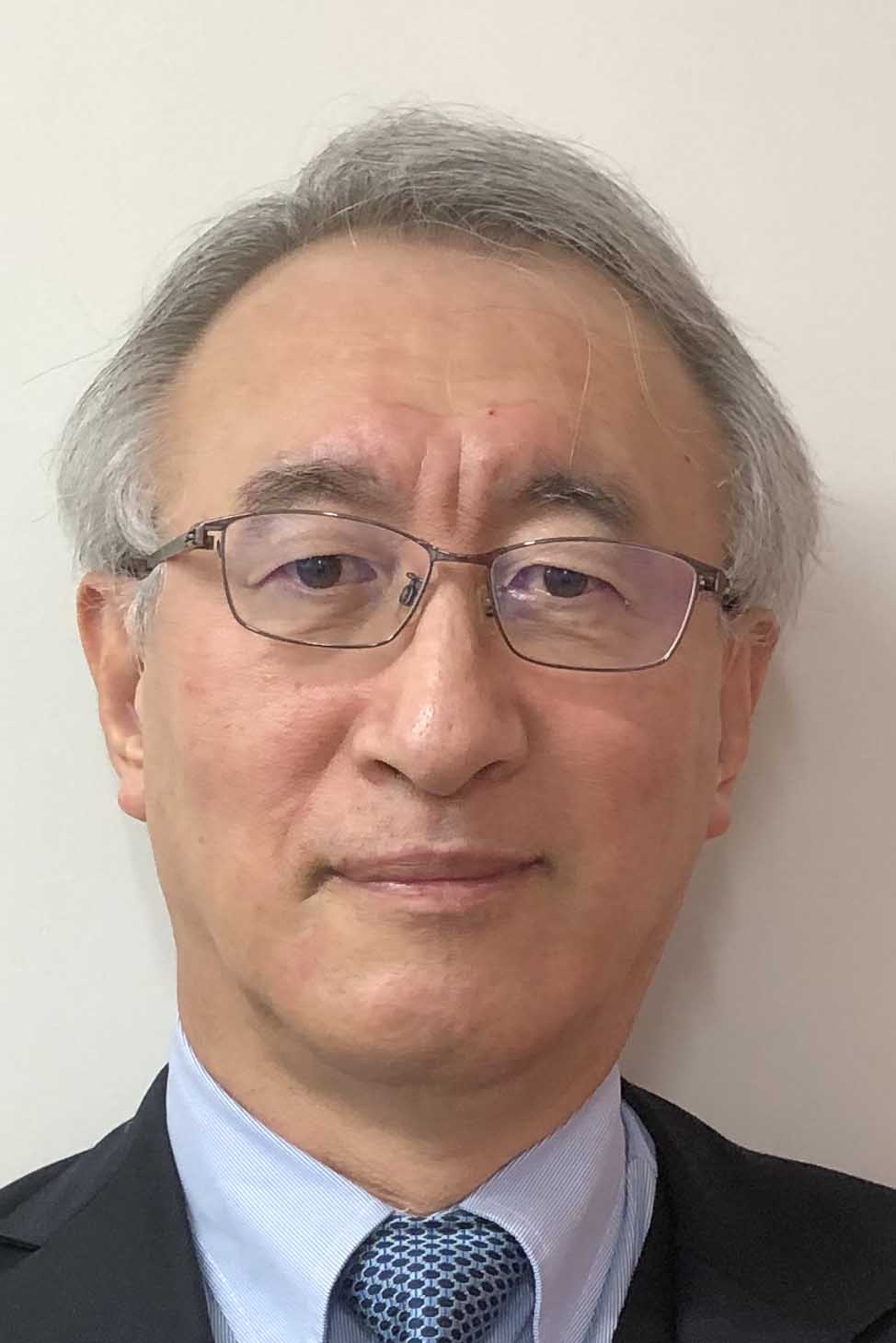
During the program “CO2 challenge”, graduate students had the opportunity to discuss the main sources of carbon dioxide emissions and their environmental impacts with international students from diverse backgrounds. This made them realize the importance of considering issues which were mainly viewed from a chemical perspective also from social and international standpoints. In addition to touring the university's research facilities, visiting a wastewater treatment plant designed with environmental considerations in mind allowed them to directly see how basic research is implemented in society as practical environmental technology. From this experience, it has been clarified that not only pursuing reaction efficiency and selectivity, but also strong putting emphasis on energy efficiency and sustainability should be required. Based on the broader perspective gained from this program, it will be possible to promote research intended to real-world applications.
One oral presentation by a participant (Mr. Kenta Nishimoto) in 106th Spring meeting of the Chemical Society of Japan at Nihon University (Funanashi Campus) on 03/17/2026.
“Substituent effects on dinuclear Ru(II) complexes working as self-photosensitizing CO2 reduction catalysts” (Presentation #: A1443-1pm-10)
Takahiko KOJIMA
Professor – Department of Chemistry, Institute of Pure and Applied Sciences (University of Tsukuba, Japan)
Inorganic Reaction Chemistry Laboratory
General Education Award, Osaka University, 2008
Award for Referees of KAKENHI (First Stage), 2015
Fellow of the Royal Society of Chemistry (FRSC), 2017
Japan Society of Coordination Chemistry, Award for Creative Work, 2018.
Best Faculty Member, University of Tsukuba, 2019.
The Chemical Society of Japan Award for Creative Work for 2019.
The AsBIC Outstanding Achievement Award, 2024.
Best Faculty Member, University of Tsukuba, 2025. View researcher’s profile
Share the linkCopyCopiedClose the modal windowShare the URL of this pageI recommend:Consultable at this address:La page sera alors accessible depuis votre menu "Mes favoris".Stop videoPlay videoMutePlay audioChat: A question? Chatbot Robo FabricaMatomo traffic statisticsX (formerly Twitter)