Joining forces to push the boundaries of Resilience of critical metals supply chains!
International, Partnerships, Research
As the global transition to renewable energy and digital technologies accelerates, the demand for Critical Raw Materials is reaching unprecedented levels. This shift creates a strategic dependency on metals essential for the green and digital transitions. How can we secure a sustainable and resilient supply of critical metals?
This is the central question driving Scarcities, a strategic research collaboration between National Taiwan University, Université Grenoble Alpes and University of Tsukuba.
Launched in 2025 as a laureate of the the NTU-UGA-UT Trilateral Center, this project was established in response to the surging demand for critical metals driven by the dual energy and digital transitions, creating a high-impact, sustainable partnership to address key supply chain vulnerabilities. This project mobilises three laboratories to analyse the geopolitical, economic, and industrial frameworks required to navigate an increasingly volatile global market, specifically addressing critical metals value chain resilience and the management of associated risks.
Tangible Results
The SCARCITIES project established strong foundations for a comparative study on critical mineral and semiconductor supply chain resilience. A key outcome is a shared analytical framework integrating state, industry, and firm levels across short-, medium-, and long-term horizons. This 3×3 matrix enables systematic comparison of resilience strategies in France, Taiwan, and Japan.
The project also improved methodological alignment across partners. Through workshops in Taipei and Grenoble, the team adopted common approaches, including Gioia methodology and Grounded Theory, and shared analytical dimensions such as Policy Support and National Security, ensuring consistency for future research.
Finally, SCARCITIES strengthened trilateral collaboration and defined a joint research agenda. It connected researchers, clarified responsibilities, and produced a publication plan, while framing resilience as a multi-level, dynamic process shaped by geopolitics, policy, and firm capabilities.
Testimonials from principal investigators
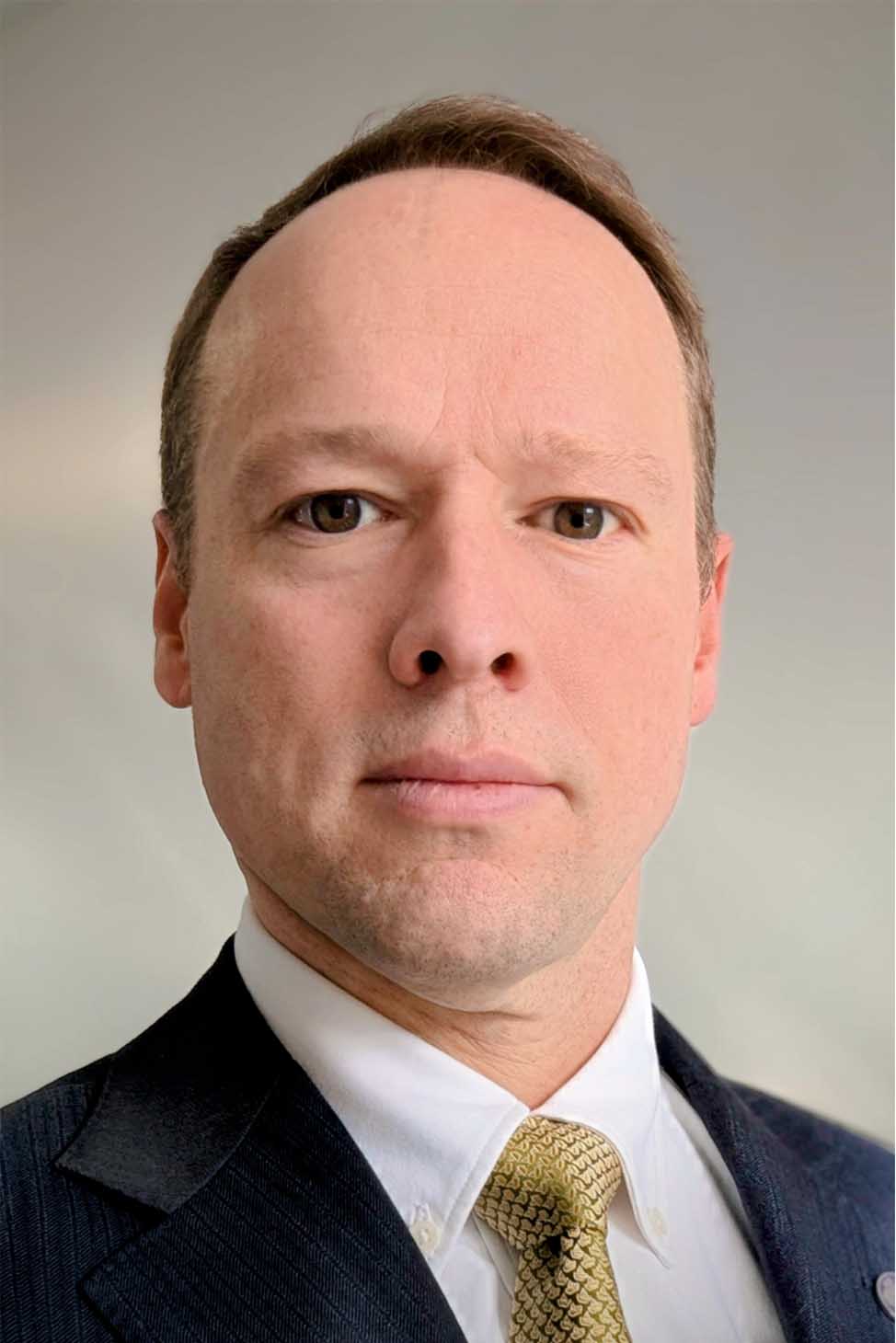
This program was catalytic in transforming an initial idea into a structured long-term international collaboration. Workshops enabled alignment across France and Taiwan and the development of an integrated framework linking policy, industry, and firm-level dynamics.
Remy MAGNIER-WATANABE
Professor, Chair, MBA Program in International Business - Institute of Business Sciences (University of Tsukuba, Japan) View researcher’s profile Visit ORCID page
This program helped clarify our research focus in a context of geopolitical uncertainty. Through workshops and monthly exchanges, we refined our work on semiconductor supply chains and strengthened both the direction and coherence of our international research agenda.
Jiuh-Bing SHEU
Professor - Department and Graduate Institute of Business Administration (National Taiwan University, Taiwan)
Well recognized and involved in the list of World’s Top 2% Scientists (Stanford University, 2020 – Now) View researcher’s profile Visit ORCID page
This program fostered a multidisciplinary and collaborative environment, enriching research through diverse perspectives. It strongly supported the training of doctoral and master students and reinforced international cooperation, laying the foundations for long-term academic partnerships.
Karine SAMUEL
Professor - DHeP (Humanities and pedagogy Department), Grenoble INP-UGA (Université Grenoble Alpes, France)
CERAG - Centre d’études et de recherches appliquées à la gestion View researcher’s profile Visit ORCID page
Share the linkCopyCopiedClose the modal windowShare the URL of this pageI recommend:Consultable at this address:La page sera alors accessible depuis votre menu "Mes favoris".Stop videoPlay videoMutePlay audioChat: A question? Chatbot Robo FabricaMatomo traffic statisticsX (formerly Twitter)