NOBE45: Pushing the boundaries of millimeter-wave detection!
International, Partnerships, Research
This bilateral research initiative bridges Université Grenoble Alpes and University of Tsukuba to revolutionize astrophysics and cosmology. Their mission: building the ultimate 100 GHz camera on the Nobeyama 45 meters Radio Telescope (NRO 45-m).
NOBE45 is a strategic research collaboration between the Institut Néel and the Tsukuba Faculty of Pure and Applied Sciences. The main topic involves designing/building/testing/integrating large arrays of LEKID (Lumped Element Kinetic Inductance Detectors) for the Nobeyama 45-meters telescope Tsukuba 100GHz camera. Launched in 2025 as a laureate of the NTU-UGA-UT Trilateral Center, the partners have already improved the mapping speed of the Tsukuba LEKID camera by at least a factor four.
Together, they are not just conducting research focused on NRO 45-m; they are building the framework needed in view of future ambitious projects in the domain. For example, they are developing photon-noise limited arrays for the ATT, i.e. the revolutionary Japanese Antarctic THz Telescope.
Tangible Results
As planned, they have designed, fabricated, tested and implemented in the Tsukuba 100GHz camera a new generation of LEKID (Lumped Element Kinetic Inductance Detectors) with improved performance. In Japan, the sample holder was developed, fabricated and shipped to Grenoble. In Grenoble, the new detectors have been designed, fabricated, packaged and tested in dedicated facilities in order to pre-select the best items to be shipped to Tsukuba. Where they have been integrated in the final camera and tested again. Ready for the next telescope run in Nobeyama !
Testimonials from principal investigators
Optimally exploiting the existing AND setting solid grounds for future and even more ambitious projects.
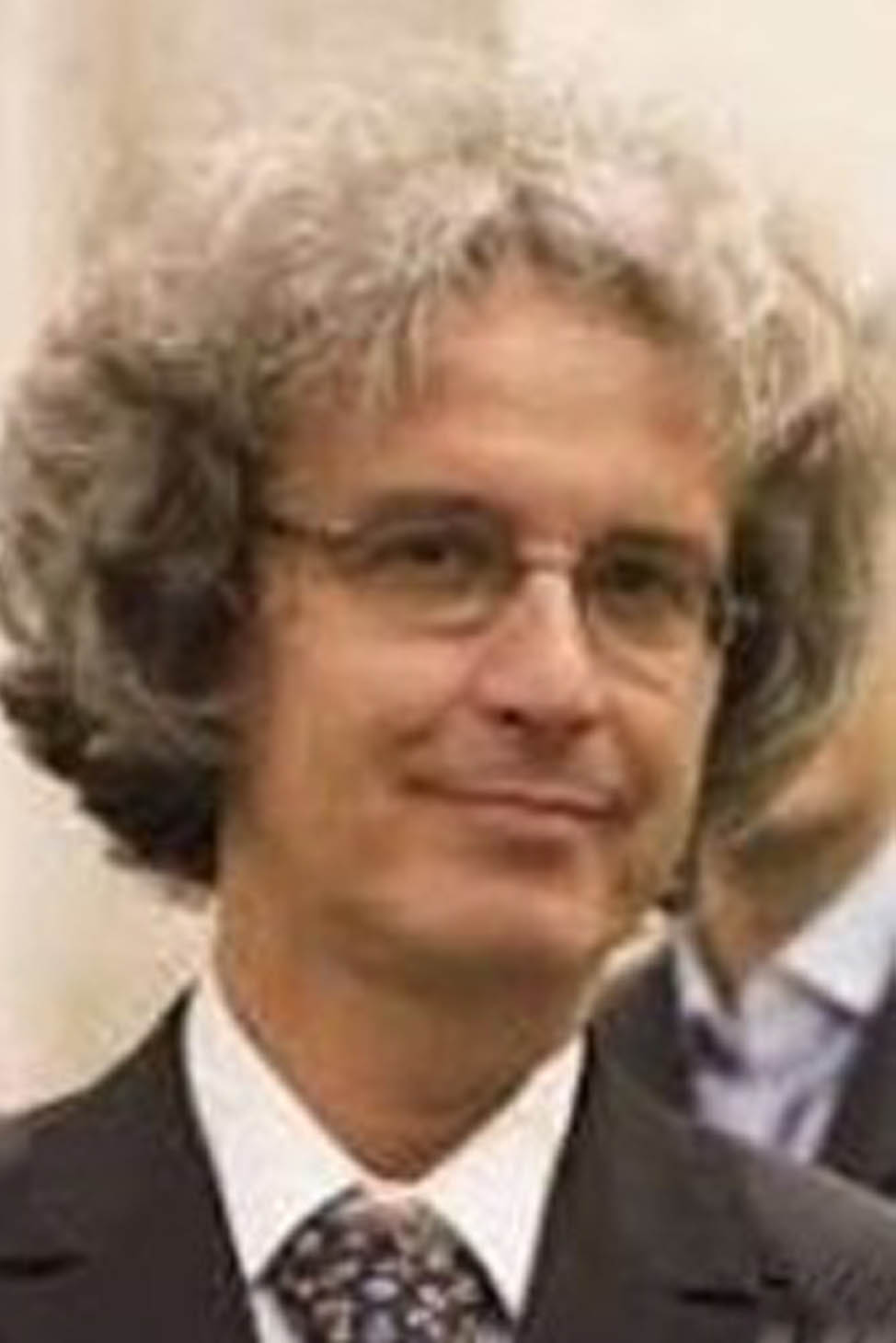
Alessandro MONFARDINI
Director of Research, Institut Néel (Université Grenoble Alpes, France)
Prize “Gustave Ribaud” of the French Science Academy (2016) for having shown that the Kinetic Inductance Detectors will replace the classical bolometers for millimeter and sub-millimeter Astronomy. Ten years later, in 2026, we can say it was a spot-on prediction...
This project offers a unique opportunity for our graduate and undergraduate students to benefit from a rich, extremely multicultural and stimulating research environment. The experiences on-the-field, e.g. at the telescope, further strengthen the links.
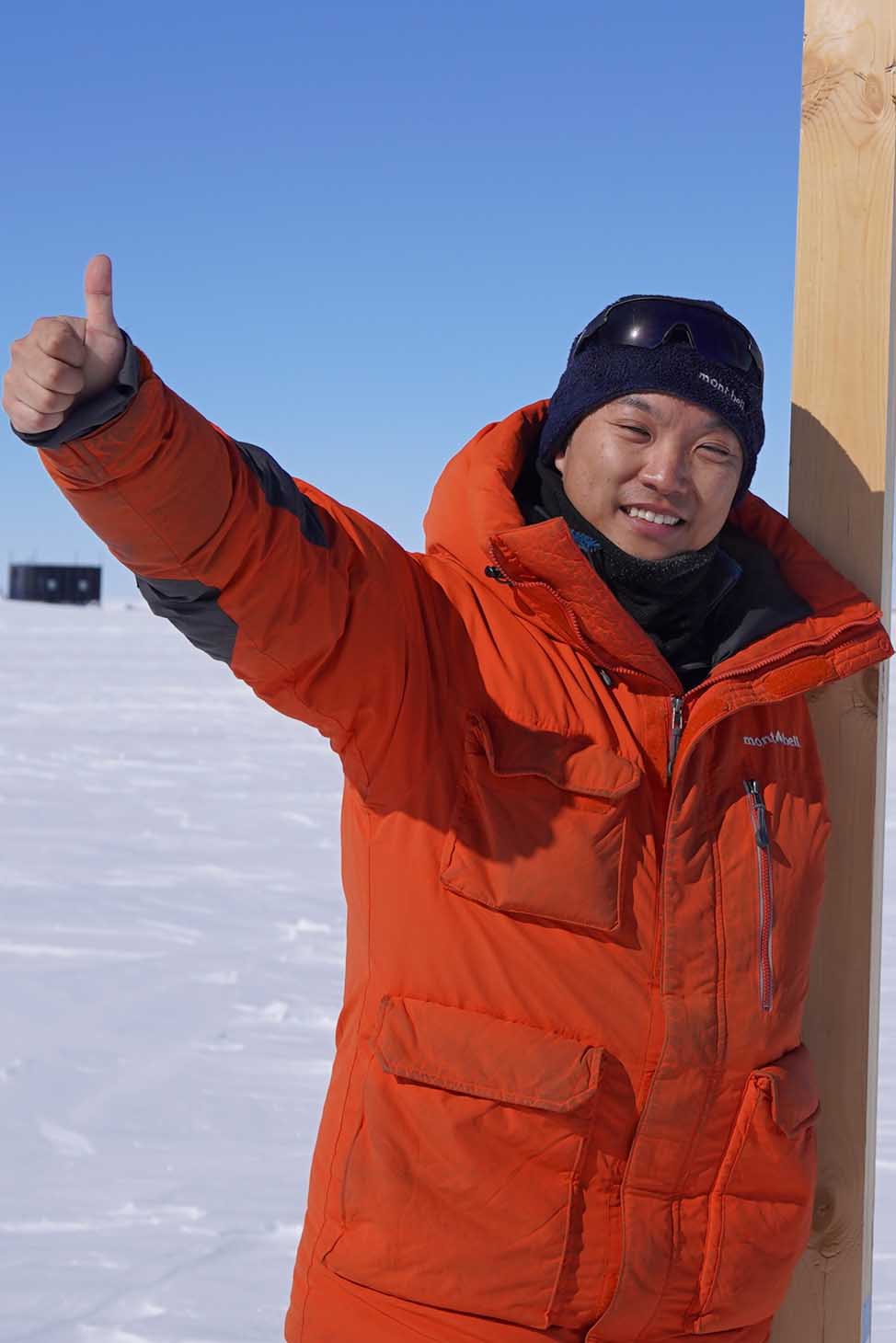
Shunsuke HONDA
Assistant Professor, Faculty of Pure and Applied Sciences (University of Tsukuba, Japan) View researcher’s profile
Share the linkCopyCopiedClose the modal windowShare the URL of this pageI recommend:Consultable at this address:La page sera alors accessible depuis votre menu "Mes favoris".Stop videoPlay videoMutePlay audioChat: A question? Chatbot Robo FabricaMatomo traffic statisticsX (formerly Twitter)